For over a decade, he has pursued a philosophy he hopes will unify African cinema into one cinematic language. Sitting across from him, it’s clear that ‘Colours of Fire’ is the first full realisation of the vision he now declares as a new film genre: Afrofusion.
“Africa is one unit,” Akinmolayan says. “Our stories differ, but the world sees us as one.” It’s a bold statement in a continent defined by its diversity. And yet, Akinmolayan’s approach is grounded in intentionality, not hubris.
And to understand why Afrofusion feels possible in his hands, you have to follow his trajectory across Nollywood’s past decade. He is, by reputation and practice, an experimenter. From Wedding Party 2 and Chief Daddy, which expanded Nollywood’s blockbuster potential, to Prophetess and King of Thieves, which challenged release windows, to Mikolo and Temi and the Labalaba Band, which revived family-friendly storytelling, Akinmolayan has always had an appetite for challenging industry norms.
‘Colours of Fire’ is, in many ways, the logical next step in a career defined by a willingness to push boundaries.
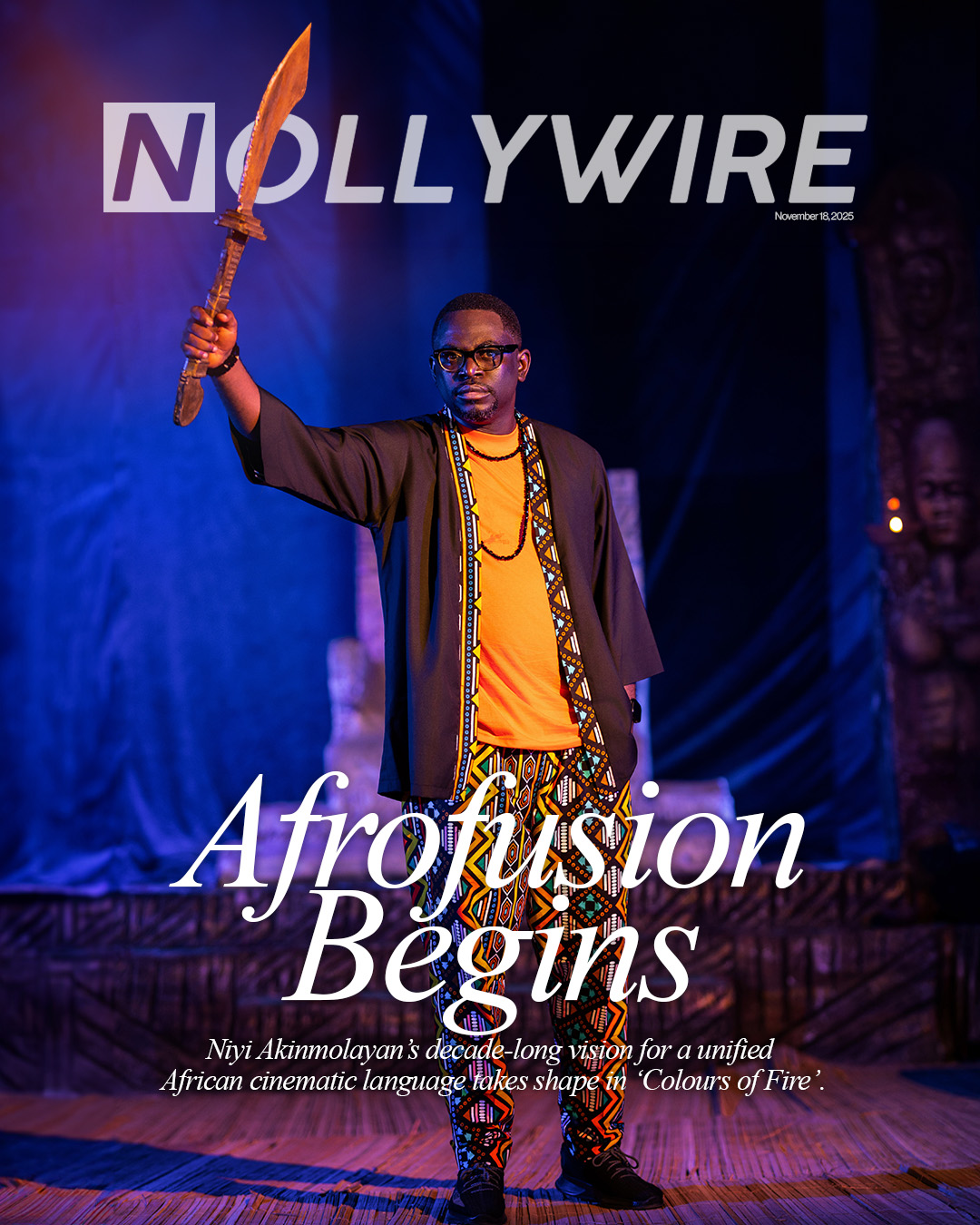
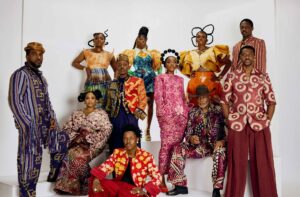
Akinmolayan’s Afrofusion philosophy imagines a Pan-African storyworld where Yoruba iconography, Zulu names, Moroccan designs, and Maasai patterns coexist. English is the narrative bridge, dance becomes spiritual philosophy, and colour functions as identity.
Back at TIFF in 2016, while discussing ‘The Arbitration’, he explained why storytelling mattered to him:
“In Africa, if we’re going to move forward, we need to teach people to question things… There are so many cultures, and everyone has an opinion about what something is. It’s hard to have a united definition. I saw film as a way to make people argue, to make them question.”
Critics of Afrofusion question whether it is possible, or even appropriate, to “box” such a vast continent, of nearly 2,000 languages and countless cultures, into one cinematic language. For decades, Africans have debated the dangers of oversimplifying their cultures.
Akinmolayan acknowledges these concerns but reframes them as creative challenges. His goal is not to erase nuance but to find cohesive ways for African cultures to communicate on screen, to tell stories that resonate both locally and globally.
It mirrors a longstanding debate in African media: how to preserve specificity while speaking to global audiences. Afrofusion is his attempt at a deliberate middle path
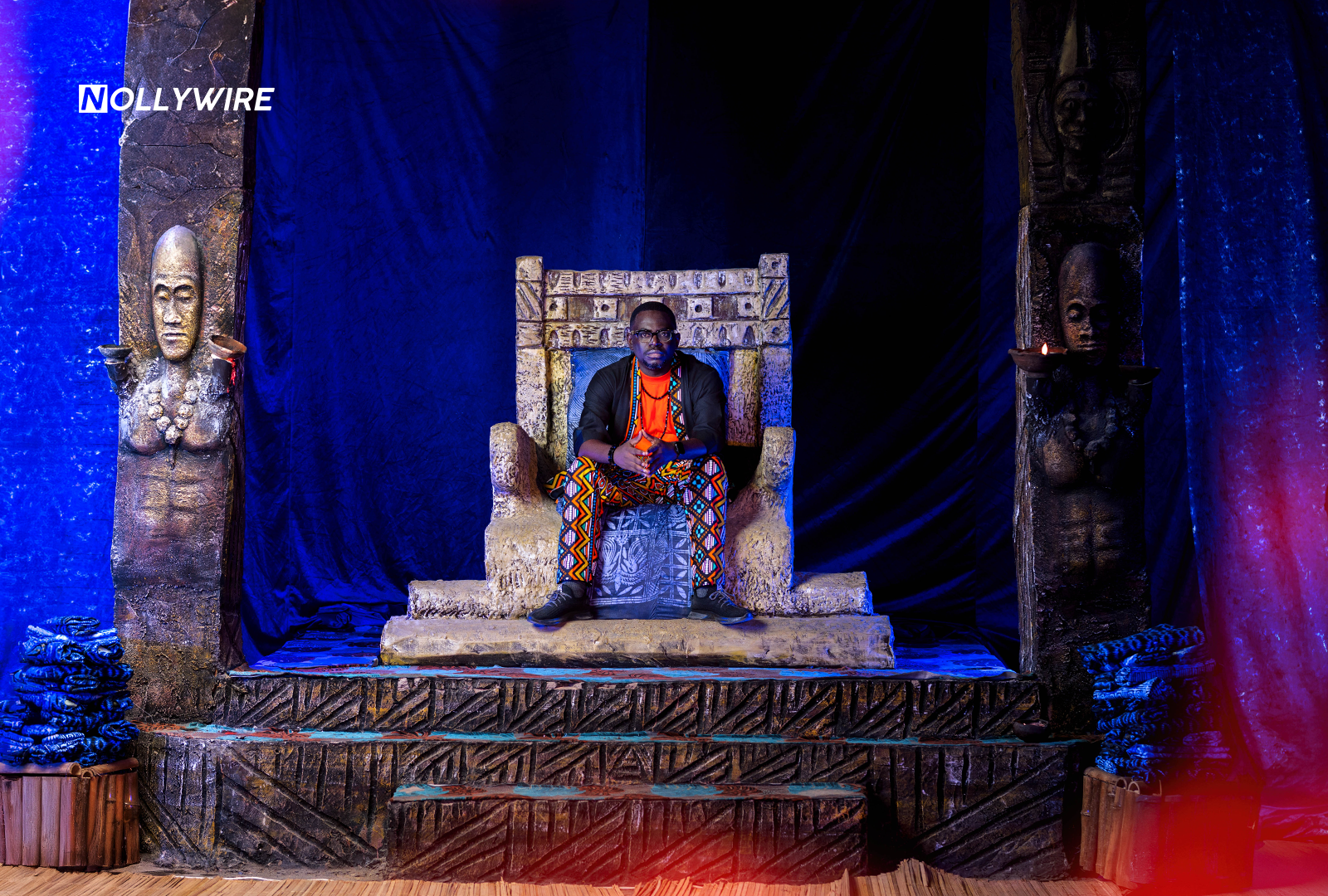
Afrofusion in ‘Colours of Fire‘
In ‘Colours of Fire’, the philosophy becomes tangible. The film’s world is built from a mosaic of influences:
- Yoruba-inspired dances blended with other West African traditions
- Benin iconography and Northern patterns in costumes and set design
- The invented Afefe dance, ritualistic in origin, precise like Tai Chi
- A cast representing multiple ethnicities, all using English to unify the story
The effect is cinematic worldbuilding on a large scale. Actors Osas Ighodaro and Uzor Arukwe bring fiery chemistry to the screen, and their performances anchor its visual and narrative ambitions.
“It’s about scale,” Akinmolayan explains, recalling a lesson from Titanic. “Hollywood can tell a story about a rich family on a sinking ship and make it universal. Africa is built on stories. Imagine putting those on a grander premise. That’s what we’re doing with Afrofusion.”
Even positioned as a deliberate vision, it is impossible to ignore the experimental nature of his choices. This is the work of a filmmaker comfortable straddling commercial and conceptual filmmaking, a rare combination in any industry.
Afrofusion draws from Akinmolayan’s study of African traditions, global cinema, and audience behaviour. The geometry and patterns in shrines, black-and-white colonial memories, and the philosophy of colour all inform his visual language. He looks to Bollywood epics, Japanese anime, and films like Black Panther to understand how culturally rooted storytelling can achieve global resonance.



Pan-African Ambition and Industry Implications
It is this global perspective that gives Afrofusion its ambition. Akinmolayan sees Africa as a single cinematic unit, in the same way that Japan, India, or China have long mastered regional storytelling for global audiences.
He is not chasing December box-office supremacy. By combining aesthetics, rituals, and narratives from across the continent, he presents Afrofusion as a blueprint for Pan-African collaboration.
“Ten years from now, I want people to look back and say this was the start of something bigger,” he tells us.
Whether the continent adopts or debates the genre, one thing is undeniable: Niyi Akinmolayan has positioned himself as a cultural architect of African cinema.
Afrofusion begins with ‘Colours of Fire’ and it offers audiences spectacle and discovery in cinemas from December 24, 2025.