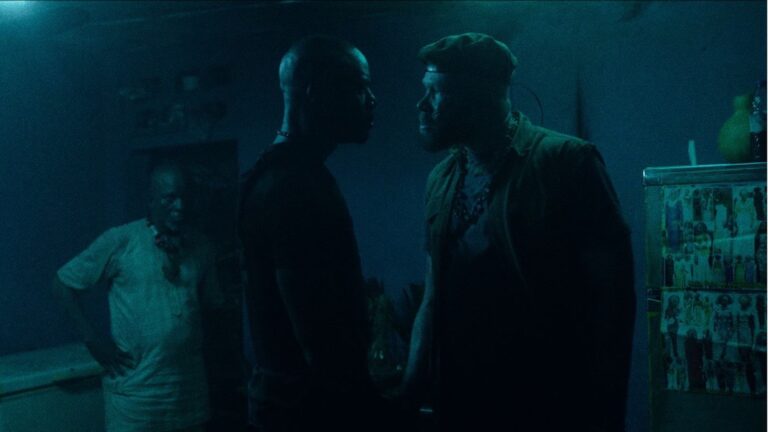
Nollywood’s historical epics often lean towards Yoruba mythology and legends, creating a familiar landscape for audiences at home and abroad. But with ‘Osamede’, a new frontier is opening. Directed by James Omokwe and executive produced by Lilian Olubi, the film places the Benin Kingdom at the centre of a sweeping story while challenging traditional notions of who gets to be the hero. At its heart is Osamede, a young orphaned girl who must rise to defend her people during one of their darkest times. The epic is set to premiere nationwide in cinemas on October 17.
Written by Lolo Eremie and starring Ivie Okujaye in the title role, ‘Osamede’ takes audiences to Edo State, where the production was filmed on set and in the Bini language. Joining Okujaye are William Benson, Lexan Aisosa Peters, Tosin Adeyemi, Etinosa Idemudia, Paul Obazele, Lancelot Oduwa Imaseun and Alexander Bud, who bring the ensemble to life with a mix of experience and new energy.
The project is remarkable not just for its subject but also for its historical scope. Set in 1914 but beginning in 1897, during the sack of the Benin Empire by British forces, the film anchors itself in a moment of loss, reclamation, and resilience. Extensive research went into ensuring cultural authenticity, with the production drawing from documented histories of the Benin Kingdom and supported on set by dialect coach and cultural consultant Osagie Elebe.
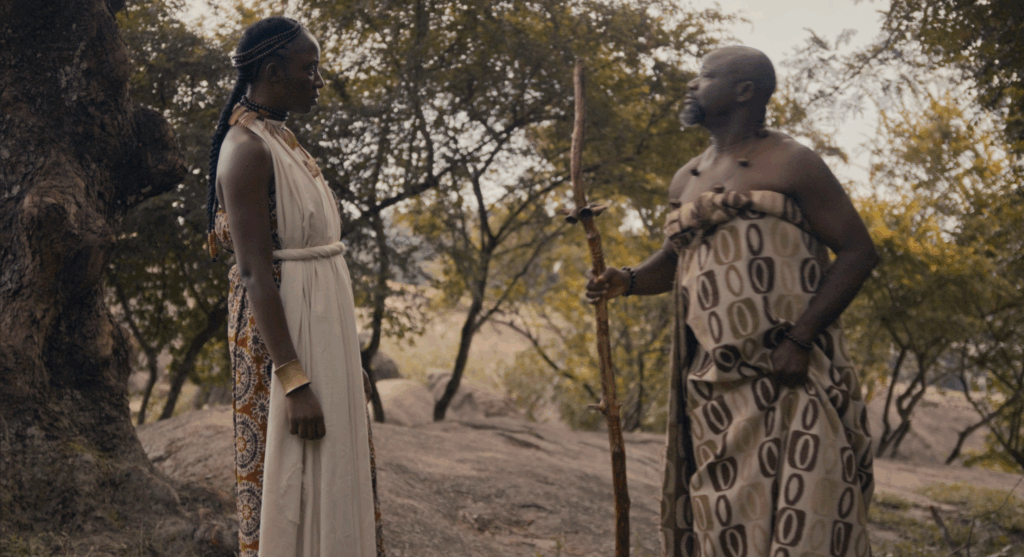
For director James Omokwe, the story is both personal and political. “With ‘Osamede’, we are not just retelling history but spotlighting the extraordinary journey of a female hero, reclaiming her rightful place in a society where women’s voices and images have often been overshadowed in a male-dominated world,” he said. For him, it is a story of resilience, strength, and empowerment: “a gift and tribute to the Edo people, and a legacy for Nigerians and Africans across the globe.”
That decision to centre a woman was deliberate. In Nollywood’s long line of historical and epic storytelling, male warriors, kings, and patriarchs often dominate the narrative space. With ‘Osamede’, the creative team wanted to upend that expectation and craft a hero who not only embodies strength but also complicates what audiences imagine about women in historical contexts. “We chose to use a woman because we wanted to challenge patriarchal notions depicted in media,” Omokwe explained during a recent media parley.
The innovation does not stop there. Nigeria is home to about 250 ethnic groups and more than 500 languages, yet its film space has historically tilted toward a narrow set of stories. Epics have mostly celebrated Yoruba traditions, leaving a vast landscape of untold histories unexplored. With ‘Osamede’, diversification is finally pushing its way to the fore. Its embrace of Edo heritage might mark the beginning of a shift, opening doors for other ethnicities to bring their own sagas to screen, from the Ijaw people in Bayelsa to the Angas in Plateau State and beyond.
Executive producer Lilian Olubi has been open about how deeply the project resonates with her. She describes Osamede as a story God gave her, one she felt compelled to bring to life. That conviction carried the film from its early stages to international recognition, with the project moving from a stage play at the Muson Centre to a feature film now preparing for global festival appearances.
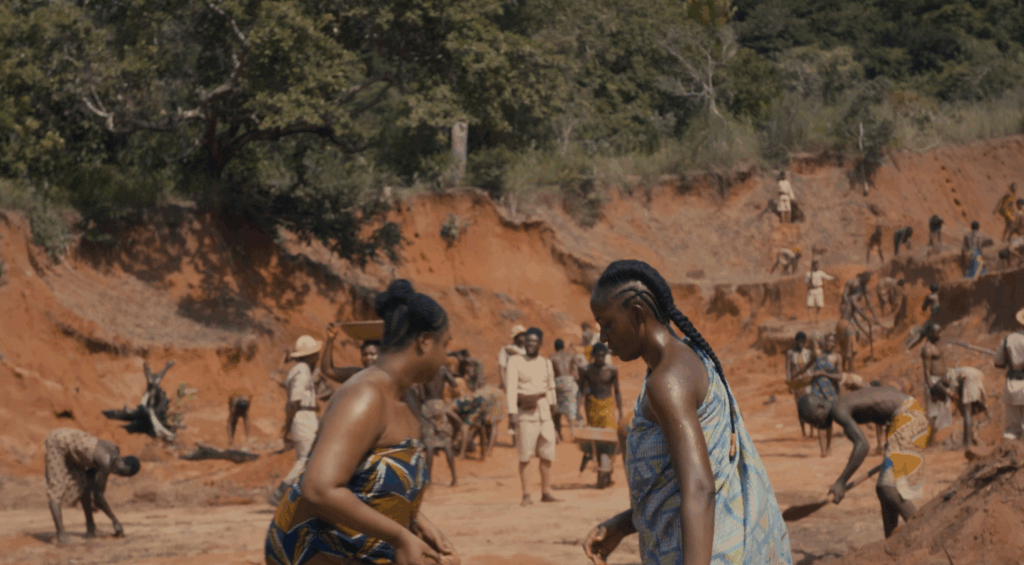
Earlier this year, ‘Osamede’ screened at Afro Cannes, where it drew attention for its ambition and scale. Its upcoming U.S. premiere at the Silicon Valley African Film Festival in California continues that momentum, signalling not just recognition but also opportunity: a chance for Edo stories to travel as widely as their Yoruba counterparts and for Nollywood to broaden the range of its epics. “It is Benin to the world!” Olubi declared.
There are also ambitions to expand beyond a single film. The creators have spoken of plans to develop ‘Osamede’ into a franchise, with a global theatrical release designed to reach audiences across multiple continents. For them, the character of Osamede is not just a heroine of the past but a symbol for the present, proof that despite what was stolen from Africa, its spirit remains unbroken.
As Olubi put it, “I want people to know that ‘Osamede’ is a story about Africa. It tells us that despite what was stolen, our spirits were never stolen.” With its roots in Benin history, its daring choice of a female warrior at the centre, and its eye on the global stage, ‘Osamede’ is leading the charge in diversifying Nollywood stories.