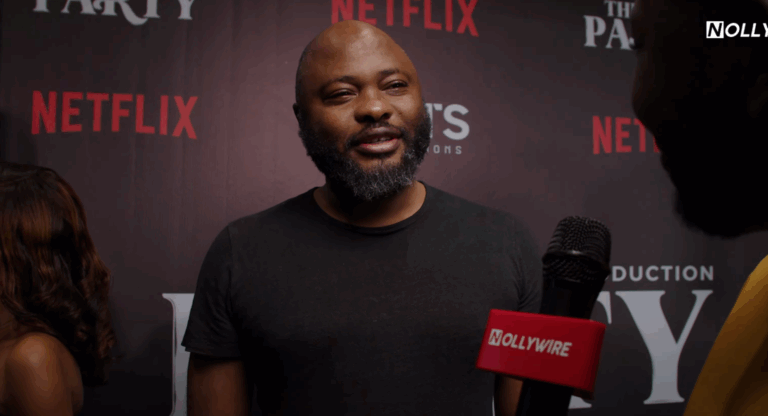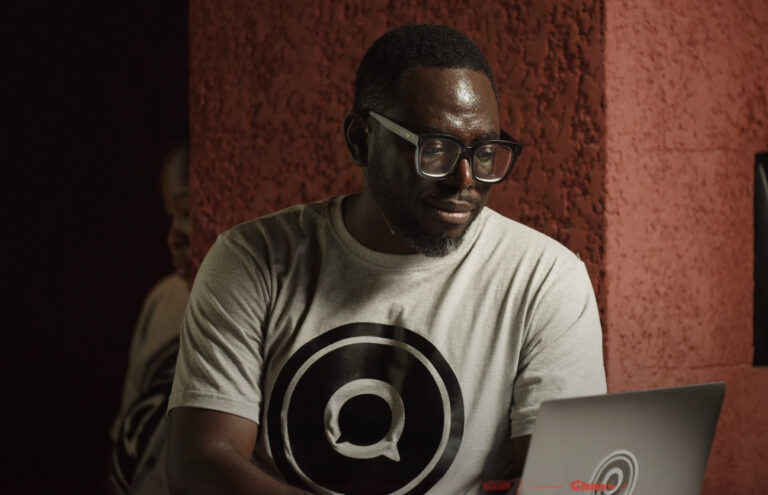
Among all the milestones in Nollywood’s evolution, one film gave media professional Japheth Josiah a rare surge of pride as a fan: ‘The Wedding Party’.
In this edition of Nollyphile Life, our series spotlighting Nigerian cinephiles and their love for Nollywood, Josiah reflects on why the 2016 blockbuster resonated so deeply with him, what it got right about Nigerian culture, and how it reshaped expectations for the industry.
Which film made you proud to be a Nollywood fan?
Oh, that’s easy; ‘The Wedding Party’. Definitely the first one.
What specific moment or scene in that film gave you that “proud” feeling?
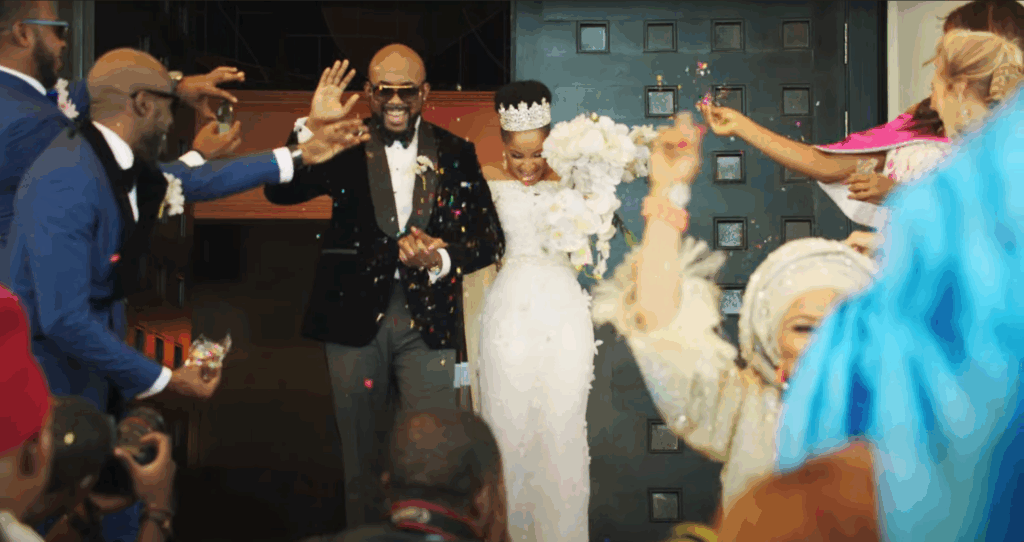
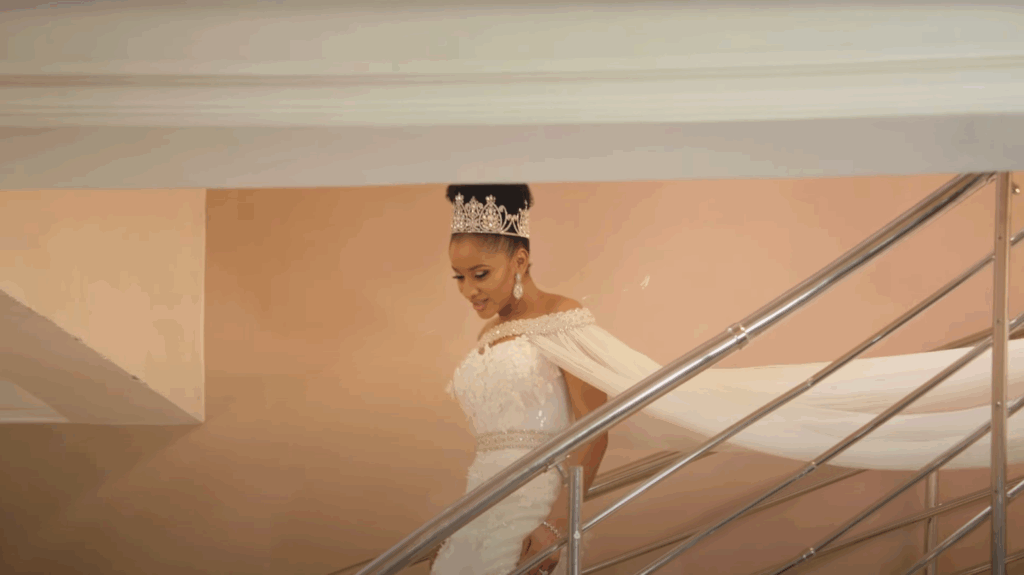
It was the depiction of wealthy Nigerian life. The parties, the drama, the grandeur; it was done in a way that felt authentic and was still entertaining. I often worry that in trying to “grandstand”, we might lose the Nigerian essence, but this film struck the balance. It showed a side of Nigeria that was aspirational yet familiar.
Was it the storyline, acting, production quality, or something else that stood out most?
The quality and the acting stood out most. The storyline had the usual Nollywood drama, but it was elevated by how well it was shot and the chemistry between the cast. And I don’t just mean romance; I mean the family tensions, the subtle beefs and even the comedic timing. Zainab Balogun’s character as the event planner really stuck with me; she made me sit up and pay attention.
Did you watch it in the cinema, on streaming, or at home, and how did that setting affect your experience?
I didn’t see it in the cinema at the time, but I watched it later. And honestly, it was still hilarious. It was genuinely funny, not forced, and that humour carried even outside a cinema setting.
Do you feel the film represented Nigerian culture well? In what ways?
Yes, it did. Not in the epic, historical sense, but in a contemporary, everyday sense. It showed the realities of Nigerian weddings: the drama, the gatecrashers, the larger-than-life families, and the mix of cultures. Even in the costumes, it represented Nigerian traditions beautifully. It felt like watching something universally Nigerian, even though it was set in the wealthy class.
Which character or performance made the biggest impression on you?
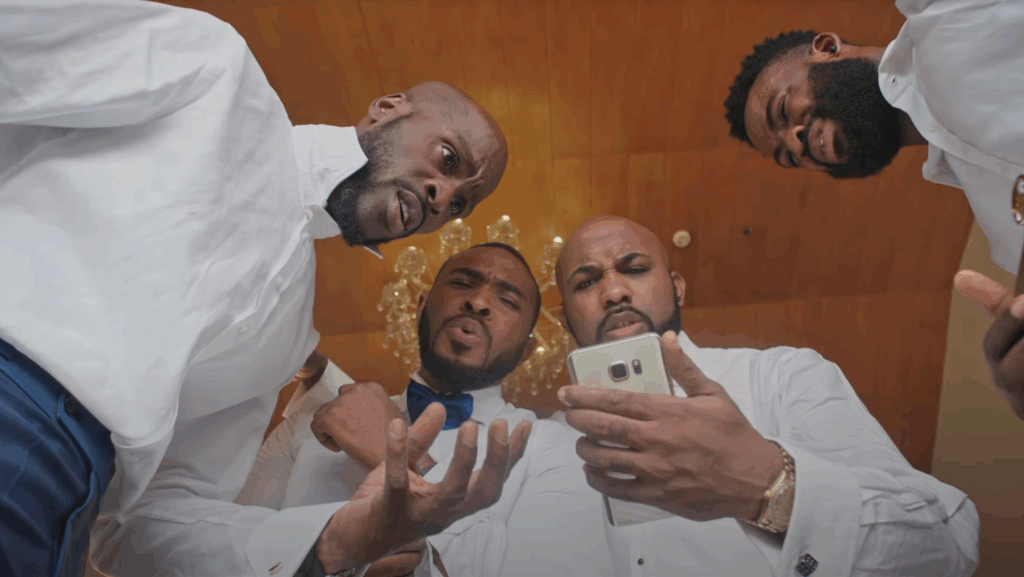
Zainab Balogun as the event planner, definitely. But beyond her, it was the overall chemistry of the cast. Each character felt like they belonged there. It wasn’t predictable the way some Nollywood movies can be; the drama unfolded in a way that kept me hooked.
Did the film challenge any stereotypes you’ve seen about Nollywood before?
Yes, particularly in how polished it looked. The costumes, the sets, the production, everything looked intentional. It didn’t feel cheap or rushed. It proved Nollywood could create something grand and still deeply Nigerian.
Would you recommend that film to someone watching Nollywood for the first time? Why?
Absolutely. In fact, I have a list of ten films I recommend to first-timers, and ‘The Wedding Party’ is always on it. It’s accessible, funny, very Nigerian, and shows the industry at one of its strongest moments.
Do you think it raised the bar for other Nollywood movies?
Yes, it definitely did. After its success, many filmmakers tried to capture that same mix of comedy and spectacle. It made people want to push the standard higher.
If you could change one thing in that movie to make it even better, what would it be?
Honestly, I wish it had stayed a standalone film. Nollywood and sequels usually don’t mix well. Everything should have been wrapped up in that one movie. Maybe ‘King of Boys’ is the exception, but generally, sequels don’t carry the same magic.